
This post contains affiliate links. If you buy through them, we may earn a small commission at no extra cost to you.
Foam rollers look simple, but walk through any store listing and you will find soft ones, firm ones, smooth ones, bumpy ones, long ones, short ones and even wheel-shaped ones. If you are buying your first roller, it is easy to pick the wrong type and end up with something that feels too harsh or too mild to be useful.
This guide explains how to choose a foam roller based on density, surface texture, size and shape, so you get one that fits your body, your space and how you plan to use it.
What a Foam Roller Is Used For
Foam rolling is a form of self-massage. You place a roller between your body and the floor, then use your body weight to roll slowly over muscles like your calves, quads, hamstrings, glutes and upper back. Many people use it as part of a warm-up, after workouts, or after long hours at a desk to help muscles feel looser.
The roller you choose changes how much pressure you feel. That is why picking the right one matters more than most people expect.
1. Density: Soft, Medium or Firm
Density is the single most important choice.
- Soft rollers: Gentle pressure. Good for true beginners, people who are sensitive to pressure, and anyone easing back into activity.
- Medium or high-density rollers: The most common middle ground. Firm enough to feel real pressure, but still manageable for most people.
- Extra-firm rollers: Strong pressure, often preferred by people who already roll regularly.
If you are unsure, a standard high-density smooth roller is a safe first pick. You can always control pressure by shifting more or less weight onto your hands and feet.
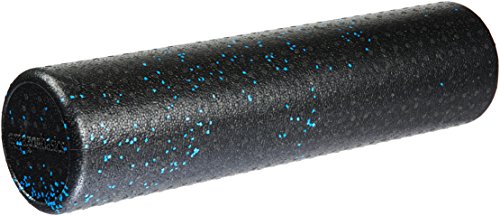
Amazon Basics High Density Foam Roller
A basic high-density smooth roller, a straightforward first roller for everyday rolling.
$17.09 Shop Now
2. Surface Texture: Smooth or Textured
Smooth rollers spread pressure evenly across a wide area. They feel more predictable and are easier on beginners.
Textured rollers have ridges, knobs or grid patterns. These create varied pressure points, which some people like for working into specific spots. They can also feel more intense, especially at first.
A good rule: start smooth if you are new, and try textured once you know how your body responds to rolling.
3. Length: Long, Standard or Short
- Long (around 36 inches): Can run along your spine lengthwise and is very stable for upper back work. Takes more storage space.
- Standard (around 18 inches): The most versatile size. Works for legs, glutes and back, and stores easily.
- Short (around 12 inches or less): Great for travel, gym bags and small apartments, and handy for calves and arms. Less stable for larger areas.
For most home users, a standard length hits the sweet spot between stability and storage.

TriggerPoint Grid 1.0 Foam Roller – 13″ Multi-Density Massage Roller for Deep Tissue & Muscle Recovery – Relieves Tight, Sore Muscles & Kinks, Improves Mobility & Circulation – Targets Key Body Parts
A popular grid-textured roller for people who want more varied, targeted pressure.
$29.99 Shop Now
4. Diameter and Shape
Most rollers are about 5 to 6 inches across. Smaller diameters put more focused pressure on a narrower area. Larger shapes, like back wheels, are designed to support the curve of your upper and mid back and make it easier to roll along both sides of the spine.
Wheel-style rollers are a specialty pick. They are not a full replacement for a standard roller for leg work, but many people like them for back tension from desk work.
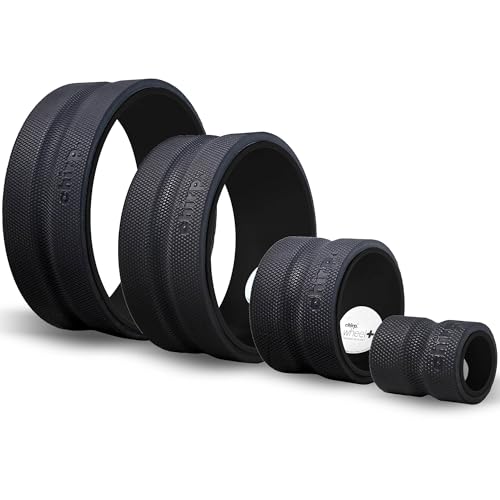
Chirp Wheel Foam Roller – Targeted Back & Neck Relief, Lumbar Spine Stretcher, Spinal Decompression Back Stretcher, Massage Roller with Density Foam for Physical Therapy, Supports 500lbs, 4-Pack Black
A wheel-style roller shaped for the upper and mid back, a good add-on for desk workers.
$59.99 Shop Now
5. Durability and Material
Cheaper, very soft foam rollers can compress and lose their shape over time with heavy use. Rollers with a solid inner core or molded high-density foam tend to keep their shape longer. Consider how often you will use it. If you roll most days, durability matters more.
Quick Buying Checklist
- New to rolling? Choose a smooth, high-density, standard-length roller.
- Want stronger, targeted pressure? Try a textured or grid roller.
- Short on space or traveling? Go short.
- Mostly dealing with upper back tightness? Consider a back wheel.
- Rolling daily? Prioritize a firm core or durable foam.
How to Use Your Foam Roller (Beginner Basics)
- Roll slowly, about one inch per second.
- Spend 30 to 60 seconds on each muscle group.
- When you find a tender spot, pause and breathe for a few seconds, then keep moving.
- Support yourself with your hands and feet to control pressure.
- Avoid rolling directly over joints, bones, or your lower back. For the lower back, many people prefer gentle stretching instead.
A Simple 8-Minute Rolling Routine
- Calves: 1 minute per leg
- Hamstrings: 1 minute per leg
- Quads: 1 minute per leg
- Glutes: 30 seconds per side
- Upper back: 1 minute, arms crossed over your chest
Do it after a walk, ride or strength session, or in the evening after a long day of sitting.
Common Mistakes to Avoid
- Rolling too fast. Quick back-and-forth movement is less effective than slow, controlled passes.
- Buying the hardest roller first. More intense is not always better. Discomfort should feel manageable.
- Holding your breath. Breathe slowly so your muscles can relax.
- Staying on one spot too long. Keep moving after a short pause.
Quick FAQ
Which foam roller is best for beginners?
A smooth, high-density roller around 18 inches long is a reliable first choice for most people.
Is a textured roller better than a smooth one?
Not better, just different. Textured rollers feel more targeted and intense. Smooth rollers feel more even and gentle.
How often should I foam roll?
Many people roll a few times a week or after workouts. Short, regular sessions are more useful than occasional long ones.
Should foam rolling hurt?
It can feel uncomfortable on tight spots, but it should not be sharp or painful. Ease off if it does.
Can I foam roll my lower back?
Many experts suggest avoiding direct rolling on the lower back. Focus on glutes, hips and upper back instead.
The Bottom Line
Choosing a foam roller comes down to four things: density, texture, length and shape. Beginners do best with a smooth, high-density, standard roller, then add a textured roller or back wheel later if they want more targeted pressure. Roll slowly, breathe, and keep sessions short and regular for the best results.


