This post contains affiliate links. If you buy through them, we may earn a small commission at no extra cost to you.
A home gym machine promises a full-body workout in one corner of your house: chest press, lat pulldown, leg extensions, cable rows and more. It’s a big purchase, though, both in price and in floor space. Before you buy one, it’s worth asking whether it fits your goals, your room and the way you actually like to train.
This guide walks through the real pros and cons, who a multi-station machine is best for, and what to check before you order.
What Is a Home Gym Machine?
A home gym machine, sometimes called a multi-station or all-in-one gym, combines several strength exercises into one steel frame. Most use a weight stack with a selector pin, plus cables and pulleys that let you switch between exercises by changing handles or seats.
Instead of buying a bench, a rack, dumbbells and a cable tower separately, you get one machine that covers most major muscle groups. That convenience is the main reason people buy them.
BalanceFrom Multifunctional Home Gym Machine
Steel-frame home gym with weight stack, lat pull, low row bars and leg developer.
$499.99 Shop Now
The Pros
- Many exercises in one footprint. Chest, back, shoulders, arms and legs can all be trained on a single machine.
- Guided movements. The cables and arms follow a fixed path, which helps beginners learn movements with less risk of losing balance.
- Quick weight changes. Moving a pin is faster than loading plates, so workouts flow better.
- Training alone feels safer. You don’t need a spotter the way you might for a heavy barbell bench press.
- No commute. Having the equipment at home removes one of the biggest barriers to working out consistently.
The Cons
- Price. Multi-station machines are one of the more expensive pieces of home equipment.
- Space. They need floor area plus clearance around them for cables and moving arms.
- Assembly. Expect a long setup with many parts. Plan an afternoon and a helper.
- Fixed movement paths. Guided paths are great for learning but less flexible than free weights for some lifters.
- Weight stack limits. Strong, experienced lifters may eventually outgrow the stack on some exercises.
Who a Home Gym Machine Is Best For
A multi-station machine makes the most sense if you:
- Want to train your whole body with strength exercises two to four times a week.
- Prefer guided movements over free weights, or are new to lifting.
- Have a dedicated room, garage or basement corner you can give it.
- Value convenience and want everything in one place.
- Share the equipment with others in the household, since changing the weight takes seconds.
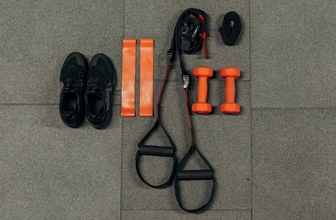
It may not be the right fit if you live in a small apartment with no spare room, mainly want cardio, or already enjoy training with barbells and dumbbells. In those cases, adjustable dumbbells, resistance bands or a compact bench can give you a lot of training for far less space and money.
What to Check Before You Buy
1. Measure Your Space
Check the machine’s listed dimensions, then add room to move around it and to sit on the bench comfortably. Measure your ceiling height too, since some machines are tall. Mark the footprint on the floor with tape to see how it feels in the room.
2. Look at the Exercises Included
List the exercises you’d actually do, such as chest press, lat pulldown, rows, leg extension and leg curl, and make sure the machine covers them. More stations aren’t better if you won’t use them.
3. Check Weight Capacity and Frame Build
Read the product page for the frame material and the listed weight capacity. A solid steel frame and a stable base are signs the machine is built for regular use.
4. Think About Adjustability
Adjustable seats and pads make the machine fit different body sizes. That matters if more than one person will use it.
5. Plan for Delivery and Assembly
These machines usually arrive in several heavy boxes. Make sure you can get them into the room, and set aside time to follow the instructions carefully.

Fitvids Multifunctional Home Gym Station
Full-body weight machine with pulley system and seated rowing.
$439.99 Shop Now
Is It Worth the Money?
A simple way to decide is to compare the price to what you’d otherwise spend. If you’d pay for a gym membership for a year or more, a home gym machine you use consistently can make sense over time. It also saves travel time, which is often the real reason people skip workouts.
The key word is consistently. A machine is only worth it if you use it. If you’re not sure you’ll stick with strength training, start smaller with bands or dumbbells for a couple of months. If you find yourself training regularly and wanting more variety, that’s a good sign you’re ready to upgrade.
A Simple Full-Body Routine on a Home Gym Machine
Once it’s set up, a basic routine two or three times a week could look like this:
- Chest press: 3 sets of 10 to 12
- Lat pulldown: 3 sets of 10 to 12
- Seated cable row: 3 sets of 10 to 12
- Leg extension: 2 sets of 12 to 15
- Leg curl: 2 sets of 12 to 15
- Cable bicep curl and triceps pushdown: 2 sets of 12 each
Pick a weight that makes the last two reps of each set challenging with good form, and increase it gradually as you get stronger.
Care and Maintenance
Wipe down seats and handles after use, check cables for fraying every few weeks, and make sure bolts stay tight. Keep the guide rods clean and follow the manufacturer’s maintenance instructions.
The Bottom Line
A home gym machine is worth it if you have the space, want guided full-body strength training and plan to use it several times a week. Measure your room, make a list of the exercises you need and check the frame and capacity before you buy. If you’re just getting started, smaller equipment is a fine first step, and you can always upgrade later.