

This post contains affiliate links. If you buy through them, we may earn a small commission at no extra cost to you.
One of the best things about working out at home is that nobody is watching. You can train in whatever you like. Still, what you wear makes a real difference to how comfortable and safe your workout feels. The wrong clothes can ride up, chafe, trap heat or make you slip on a hard floor. The right basics disappear so you can focus on moving.
Here’s a simple guide to home workout clothing, from tops and bottoms to what to put on your feet, plus a few picks to get you started.
Why Workout Clothes Matter, Even at Home
Comfortable clothing helps you move freely through squats, lunges and stretches without fabric pulling or bunching. Breathable materials keep you cooler and drier, which matters even more indoors where air may not circulate well. Supportive pieces, especially for your chest and feet, help protect you during jumping, cardio and balance work.
There’s also a mental side. Putting on workout clothes is a simple signal to your brain that it’s time to exercise. Many people find it easier to start a workout once they’ve changed.
Tops: Support and Breathability
Sports Bras
For anyone who needs one, a well-fitting sports bra is the most important piece of workout clothing. Choose your support level based on activity:
- Low support: yoga, stretching and Pilates.
- Medium support: strength training, walking and cycling.
- High support: jump rope, running, HIIT and dance cardio.
A sports bra should feel snug without digging in or restricting your breathing. The band does most of the work, so make sure it stays in place when you raise your arms.
RUNNING GIRL High Impact Sports Bra
Racerback, longline design for running and high-impact workouts.
$16.92 Shop Now
Shirts and Tanks
Look for lightweight, moisture-wicking fabric rather than heavy cotton, which soaks up sweat and stays damp. A fitted or semi-fitted top is practical for floor work, since a loose shirt can slide up when you’re upside down in a downward dog or lying on your back.
Bottoms: Freedom to Move
Leggings
Leggings are popular for home workouts because they move with you and don’t get in the way. High-waisted styles tend to stay put during bending and twisting. Pockets are handy for your phone if you walk on a walking pad or move around the house during a workout. Check that the fabric isn’t see-through when you squat.

SINOPHANT High Waisted Leggings with Pockets
Buttery soft, stretchy leggings with pockets for workouts and lounging.
$7.99 Shop Now
Shorts and Joggers
Shorts with a built-in liner work well for cardio and hot rooms. Joggers are comfortable for cooler days, walking and light strength work, but very loose styles can catch on equipment like rowers and bikes. Choose a tapered fit if you use machines.
Feet: The Most Overlooked Choice
What you wear on your feet depends on what you’re doing:
- Cardio, jump rope and treadmill or walking pad workouts: wear supportive athletic shoes. Never walk on a treadmill or walking pad in socks or barefoot.
- Strength training: flat, stable shoes or training shoes give a solid base for squats and lunges.
- Yoga, Pilates and barre: barefoot or grip socks work well on a mat or hard floor.
Grip socks have rubber dots or patterns on the sole that help stop your feet slipping. They’re a great middle ground for low-impact floor workouts, especially on wood or tile, and they keep your feet warm in winter.
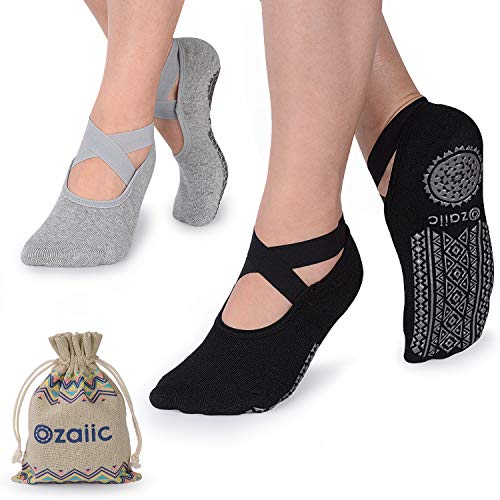
A Simple Home Workout Wardrobe Checklist
- Two sports bras or supportive tops, matched to your main activities.
- Two or three moisture-wicking shirts or tanks.
- Two pairs of leggings or shorts.
- One pair of supportive athletic shoes for cardio.
- One or two pairs of grip socks for mat workouts.
- A light layer, such as a zip-up, for warm-ups and cool-downs.
- A small towel and a water bottle.
You don’t need a huge collection. A few pieces you rotate and wash regularly cover almost every home workout.
Tips for Comfort and Care
- Dress in layers in colder months. Start warm and remove a layer once you heat up.
- Wash workout clothes after each use to prevent odors and skin irritation.
- Skip fabric softener on moisture-wicking fabrics, as it can reduce how well they wick sweat.
- Air dry when possible to help elastic and fabrics last longer.
- Replace worn pieces. Stretched-out sports bras and thinning leggings don’t support or cover you well.
Dressing for Different Home Workouts
- Walking pad or treadmill: athletic shoes, breathable top, leggings or shorts with a pocket.
- Resistance bands and dumbbells: fitted top, leggings or shorts, stable shoes or grip socks.
- Yoga and Pilates: fitted top, leggings, bare feet or grip socks.
- Jump rope and HIIT: high-support sports bra, fitted top, shorts or leggings, cushioned shoes.
- Rowing or exercise bike: fitted bottoms that won’t catch, breathable top, athletic shoes.
Quick FAQ
Can I work out in pajamas?
For gentle stretching, sure. For anything with jumping, machines or sweat, workout clothes are more comfortable and safer.
Do I need expensive brands?
No. Affordable pieces work well as long as they fit properly, breathe and stay in place.
How to Know Something Fits Right
Do a quick test before your first workout in new clothes. Squat low, raise your arms overhead, bend forward and do a few jumping jacks. Nothing should ride up, slip down, pinch or show more than you’d like. Waistbands should stay in place without needing to be pulled up, and sports bras should keep you supported without digging in. If something fails the test, swap the size or style before it ruins a workout.
The Bottom Line
Home workouts don’t call for fancy outfits, but a few comfortable basics make a big difference. Choose a supportive sports bra for your activity level, breathable tops, leggings or shorts that stay in place, and the right footwear: athletic shoes for cardio and grip socks for mat work. Put them on, and you’re one step closer to actually starting your workout.


