
This post contains affiliate links. If you buy through them, we may earn a small commission at no extra cost to you.
A waist twister board is one of the simplest pieces of fitness equipment you can buy: a round platform that spins under your feet while you twist your hips side to side. It’s small, quiet and fun, which is exactly why so many people keep one next to the couch or desk. But what does it actually do, and how do you use it properly?
This guide covers how waist twisters work, the right technique, a beginner routine and realistic expectations.
What Is a Waist Twister?
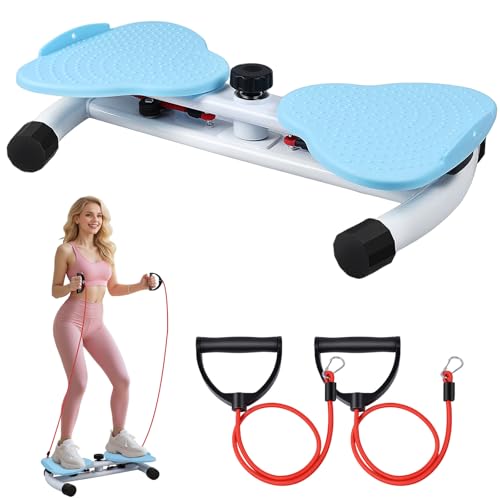
A basic waist twister is a disc made of two plates joined by a bearing, so the top plate rotates freely. You stand on it and rotate your lower body while keeping your upper body facing forward. Newer versions add handles with resistance bands for arm work, and some include a digital counter that tracks your twists.
Twisting is a low-impact movement. It gets your heart rate up gently, works your core muscles, especially the obliques along the sides of your waist, and keeps your hips and lower back moving.
Waist Twister Machine with Resistance Bands
Twist board with bands for arm work, 300 lb capacity and anti-slip surface.
$49.99 Shop Now
What a Waist Twister Can and Can’t Do
It’s worth being honest about expectations. A waist twister is a good tool for:
- Light, low-impact cardio you can do in a small space.
- Engaging your core and obliques through rotation.
- Getting more movement into your day, for example during TV time.
- Adding a fun warm-up before other workouts.
What it can’t do is target fat loss from your waist alone. Nobody can spot-reduce fat from one area. A slimmer waist comes from overall activity, strength training, sleep and nutrition over time. Think of the twister as one useful way to stay active, not a magic waist trimmer.
How to Use a Waist Twister Board
- Set it on a flat, non-slip surface, away from furniture and sharp corners.
- Step on carefully while holding a sturdy chair, wall or counter until you feel balanced.
- Place your feet hip-width apart, centered on the disc, with knees slightly bent.
- Brace your core by gently tightening your stomach as if preparing for a light poke.
- Twist your hips to one side while keeping your shoulders and chest facing forward. Then twist to the other side.
- Use your arms for balance, either holding them at chest height, holding the band handles or keeping a hand near your support.
- Start slow. Speed comes once you feel steady.
The key is the separation between upper and lower body. If your whole body spins together, you lose most of the core benefit. Keep your eyes forward and let the twist come from your waist and hips.
A 15-Minute Beginner Waist Twister Routine
- Warm-up (2 minutes): slow, small twists with soft knees while holding support.
- Steady twists (3 minutes): medium speed with a comfortable range of motion.
- Arm work (2 minutes): if your twister has bands, do slow arm presses or rows while twisting gently.
- Fast intervals (4 minutes): 30 seconds of quicker twists, 30 seconds of slow twists, repeated four times.
- Low twists (2 minutes): bend your knees more, as if in a mini squat, and twist slowly to work your legs too.
- Cool-down (2 minutes): slow twists, then step off and stretch your sides and hips.
Do this three to five days a week. Once it feels easy, extend each section or add a second round.
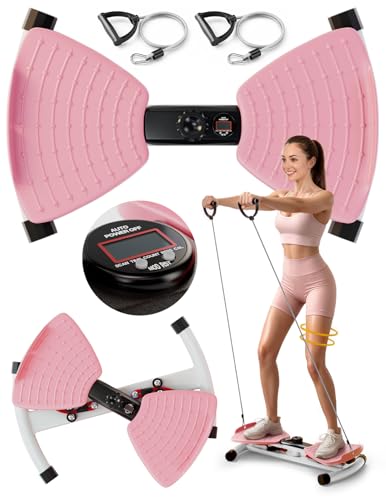
Waist Twister with Digital Counter
Quiet twist board with a counter to track your reps.
$42.99 Shop Now
Is a Digital Counter Worth It?
A counter tracks your twists, which helps with motivation. Seeing a number makes it easy to set a goal for each session and try to beat it over time. If you like tracking progress, a twister with a counter is a nice upgrade. If you just want simple movement, a basic disc works fine.
Safety Tips
- Always have something stable within reach, especially when starting out.
- Wear supportive shoes or train barefoot on a non-slip surface. Avoid socks.
- Keep your knees soft and avoid locking them.
- Don’t twist so fast that you lose control.
- Step off carefully. The disc can spin when your weight shifts.
- If you have back, knee or balance problems, or you’re pregnant, ask your doctor before using a twister.
How to Combine It With Other Workouts
A waist twister works best as part of a routine. Use it as a 5-minute warm-up before strength training, a short cardio break during work-from-home days, or a finisher after a resistance band session. Pair it with moves like planks, dead bugs and glute bridges for a well-rounded core workout.
Quick FAQ
How long should I twist each day?
Start with 5 to 10 minutes and build up to 15 or 20 minutes as you get comfortable. Consistency matters more than long sessions.
Will it help my posture?
Working your core can support better posture over time, especially combined with strength exercises for your back and glutes.
Is it loud?
Most waist twisters are quiet, which makes them a good fit for apartments. A mat underneath can reduce noise and protect your floor.
Track Your Progress
Keep a simple log of how many minutes you twisted, or how many twists your counter shows, and how the session felt. Over a few weeks you’ll notice you can go longer and stay steadier. That kind of small, visible progress is what keeps a habit going, and it makes it easy to decide when to add time, speed or a second round.
The Bottom Line
A waist twister board is an affordable, compact way to add low-impact movement and core work to your day. Use it with good technique, keep your upper body facing forward, start slowly and hold on to support until you feel balanced. Pair it with other workouts and healthy habits for the best results, and enjoy how easy it is to fit a few minutes of twisting into a busy schedule.


